






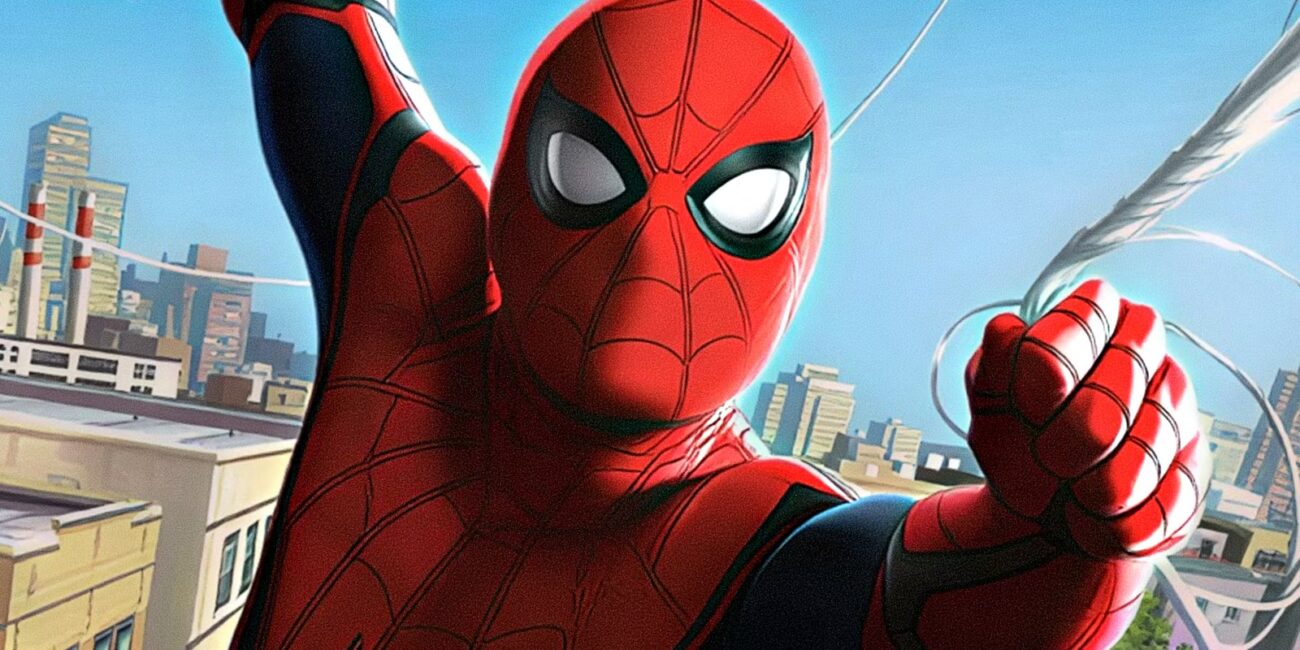
Few moments in Spider-Man history, or Marvel Comics history, or the history of superheroes in general, equal the genuine shock of Gwen Stacy’s death. But if Stan Lee’s protégé and successor writing Spider-Man, Gerry Conway, could have taken the devastating storyline back, he made it clear he would have.

In an interview with The Comics Journal from way back in 1981, Conway admitted that he “didn’t think [he] would’ve done” the controversial 1973 death scene, if he were given a “do over” on the whole thing. Yet Conway’s rationale is the really fascinating part.
Because the author defended his own execution of the story, which came to be known as “The Night Gwen Stacy Died,” but identified a more fundamental problem it caused. A problem with a ripple effect Marvel fans are still feeling today. According to Gerry Conway, Gwen’s death broke a fundamental unwritten rule of superhero storytelling.
It was a rule Conway and other writers of his generation didn’t fully understand until it was too late. Though Conway and other Marvel authors like Roy Thomas lived up to their role as Stan Lee’s successors in many ways, they missed a critical aspect of Lee’s style until it was too late. At least, for Gwen Stacy and Spider-Man.
“Death Of Gwen Stacy” Author Gerry Conway Wouldn’t Have Repeated The Storyline

The Amazing Spider-Man #121 came with this warning stamped on the cover:
Not a trick! Not an imaginary tale — but the most startlingly unexpected TURNING POINT in the Webslinger’s entire life! How can Spider-Man go on, after being faced with this almost unbelievable death?
The thing is, the issue actually lived up to this hyperbole, killing off Gwen Stacy, Peter Parker’s love interest for nearly 100 issues. And it was a “turning point” not just for Spider-Man, not just for Marvel, but for the genre as a whole. It’s often cited as the moment superhero comics “grew up.” Which, in retrospect, struck writer Gerry Conway as a problem.
Here’s how Conway described the issue to The Comics Journal 45 years ago:
Possibly the error many of us coming int the field in the early ’70s and late ’60s made was that we accepted the idea that there was change, and we expected to create change in what we were doing. I came in and killed off Gwen Stacy. Regardless of the fact that it was an idea that had been around before I came onto the book, I did it. I think I did it well, though that’s open to interpretation by any number of people, but I think I did. I did the story I wanted to do. If it’s going to be judged, it should be judged on the basis of what I was attempting to do. If I had to do it over, I don’t think I would’ve done it, because I know now that it’s the illusion of change that’s important to maintain and when you critically change a series, you cannot go back, you cannot capture many of the elements that made the series work in the first place.
What Conway’s saying is that, with series like Amazing Spider-Man and X-Men, the hotshot Marvel writers that Stan Lee passed the baton to wanted to do dramatic, impactful things with the characters they creatively inherited. What they didn’t understand, though, was Lee’s knack for temporarily messing with a hero’s recipe for success, rather than replacing key ingredients permanently.
As Gerry Conway said, the idea of killing off Gwen was in the creative ether at Marvel in the early 1970s. There’s an infamous, possibly apocryphal anecdote that Conway and his collaborators waited until Stan Lee went on a European vacation to pull the bold move; there’s also a version where Stan half-heartedly approved the storyline on his way out the door for his trip. In any case, it has become legend that Lee knew “The Death of Gwen Stacy” was a mistake, and part of that stems from Conway coming to agree with him by the early ’80s.
In 2026, Marvel Comics Fans Still Want “Real Change,” But Marvel Knows Better
The “Illusion” Is Superior, According To Gerry Conway (And Stan Lee)

“The illusion of change was something Stan brought to the books,” Gerry Conway mused to TCJ in ’81, just eight years after “The Death of Gwen Stacy.” He contrasted this with his generation of Marvel writers, who “came in and for about eight or nine years screwed up the field by creating a lot of real change.” It’s ironic, looking back on Conway’s comments now.
Because those 8-9 years are held in high regard by comic fans today, while the lack of “real change” is one of the things readers most frequently lament about modern Marvel Comics.
In fact, Conway’s TCJ interview is proof that the tide against “real change” turned against Marvel sometime in the 1980s, as Stan Lee’s successors, like Gery Conway, reckoned with the ramifications of their ’70s storylines. 50+ years later, Spider-Man and Marvel fans are still feeling the consequences of Gwen Stacy’s 1973 death.
Speak up, Marvel fans. Do you want “real change” in Marvel storylines? Or is Gerry Conway right, the “illusion” is better?
- First Appearance
-
Amazing Fantasy
- Alias
-
Peter Parker, Ben Reilly, Otto Octavius, Yu Komori, Kaine Parker, Pavitr Prabhakar, William Braddock, Miles Morales, Kurt Wagner
- Alliance
-
Avengers, Fantastic Four, X-Men, Secret Defenders, Future Foundation, Heroes for Hire, Mighty Avengers, New Avengers, Web-Warriors
- Race
-
Human