




When The Mandalorian first premiered in 2019, Disney was hailed for saving Star Wars. It was branching beyond the Skywalker bloodline, with a very distinctive, passionate, fresh vision of a galaxy far, far away. As soon as Mando discovered his 50-year-old bounty was actually a baby Yoda, two icons were born, and audiences were hooked.
But as the series went on, and as Disney expanded its streaming empire, the Mouse House promptly ran Star Wars back into the ground. The shows became wildly hit-and-miss, with both underrated gems like Skeleton Crew and unmitigated disasters like The Acolyte. The Mandalorian itself caved and incorporated the Skywalkers. It brought Mando and Grogu’s father-son relationship to the perfect ending — a tear-jerking farewell — and then, because Disney wasn’t done making that Baby Yoda money, the two characters were hastily reunited, and they’ve been joined at the hip ever since.
But whatever happened since then, the first and second seasons of The Mandalorian remain the gold standard of Disney’s Star Wars. Some of Disney’s subsequent Star Wars projects have matched that greatness — Andor is one of the finest television masterpieces of the 21st century — but even The Mandalorian itself has gone downhill.
Disney’s latest Star Wars show, Maul: Shadow Lord, is a very promising sign for Dave Filoni’s tenure as the architect of the Star Wars universe. It’s more Andor than Clone Wars, using the rise of the Empire to capture the very real horrors of a fascistic occupation through the eyes of the real people suffering.
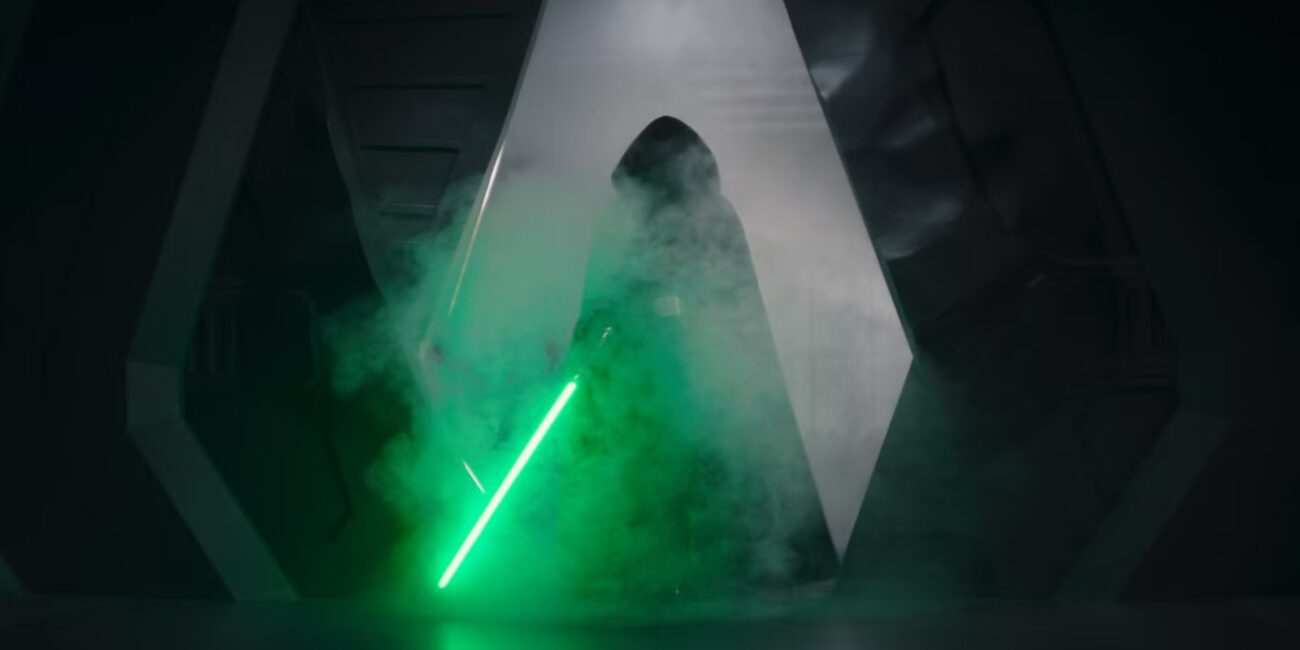
Maul: Shadow Lord has all the things that made The Mandalorian so cool, and made it feel so exciting and refreshing, and so different from the lighthearted films of the Skywalker saga. You have bounty hunters, crime lords, the underworld, and even Mandalorians. But the Maul spinoff also has lightsabers. Lots of lightsabers.
Maul: Shadow Lord Touches On The Mandalorian’s Theme Of Fatherhood

But Maul: Shadow Lord doesn’t just have superficial similarities to The Mandalorian; it also tackles the same central theme of fatherhood. Maul’s story deals more with redemption than fatherhood, but Lawson’s character is entirely defined by his responsibilities as a father. It’s a fun coincidence that the character is played by Wagner Moura, because he just got nominated for an Oscar for playing almost the exact same role.
In The Secret Agent, Moura played a good man caught in the crosshairs of a ruthless regime. Much like Armando in The Secret Agent, Lawson is torn between his revolution against the regime and his responsibility to his son. He hates the Empire as much as anyone else, but he has to think about the safety of his son. If he joins the Rebels’ fight against the Empire, then he’s not just putting his own life at risk; he’s risking his son’s life, too. In The Secret Agent, Armando made the wrong choice and ended up not being there for his son. He had the noblest intentions, but all his son remembers is that his dad abandoned him.
This is the same theme at the center of The Mandalorian. When Mando decides not to turn Grogu over to the Client, he accepts the same responsibility that left Lawson so conflicted. He agreed to take this kid under his wing and raise him like his own son, and he committed to putting that kid’s needs and wellbeing above his own. For both characters, that responsibility has forced them to make unthinkable sacrifices.
That’s what Star Wars can do at its best: reflect these very real, universal emotions through the lens of a pulpy space adventure. Star Wars is pure escapism, but The Mandalorian and Maul: Shadow Lord both prove it can be so much more, and hit so much deeper.