






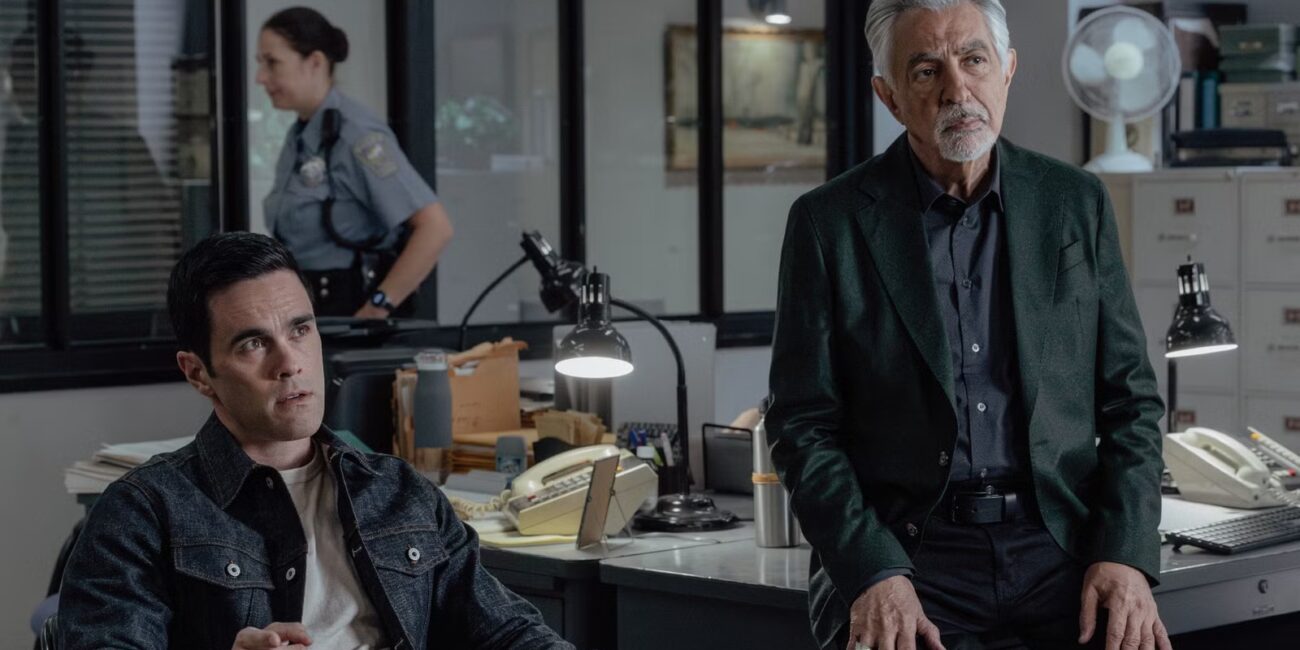
Criminal Minds: Evolution has spent seasons working to establish itself as a branching-off of the original CBS series, and has finally found one thing it can do better than its predecessor in an unexpected place. Throughout Criminal Minds’ Paramount+ run, the series has established new boundaries. The BAU can throw in a casual curse here and there, the group can move through grittier cases with more of an intense look at both the crimes and the criminals, and the series often takes its time in a way that it wasn’t able to with a 42-minute episode runtime and ad breaks.
On top of the way that the series is able to stretch itself out, the show’s investment in establishing its criminals and spending time with them has grown. While Criminal Minds was always a proponent of understanding what was going on with a case from the inside out, it didn’t always have the time and space to establish its criminals in the way it wanted during its original CBS run. While the profilers always offered up their take on what was making their UnSub tick, the network TV version of the series had limitations about how far it could go.
Criminal Minds: Evolution is able to change things in terms of how the UnSub are investigated, how crimes are shown, and what the BAU discusses when it comes to solving a case. Without losing its cadence, Criminal Minds has created a new depth for its criminals within the current iteration.
Criminal Minds’ Original Run Was Dark, But Had Network TV Parameters

Throughout the network TV run of Criminal Minds, the censorship surrounding the show pushed standard boundaries, but likely didn’t achieve as in-depth a look at the criminals’ backstories or intentions as it wanted to. Despite the fact that Criminal Minds was always one of the most intense procedurals on network TV, the series didn’t necessarily have the room to look into a criminal’s backstory in a deep, meaningful way. While it did more than most other shows, Criminal Minds still had to contend with network censorship, which could make it difficult to show the full scope of the intended story.
The CBS run of the show indulged viewers into a look at the way that criminals thought, taking creative liberties to bring the audience into the story. While there were times that the BAU in general had the chance to fully investigate UnSubs and take in their darkest moments, more often than not, viewers were told about what was happening rather than being shown it. The CBS run did what it could, but with the network upholding their own standards, it wasn’t always smooth sailing. Despite pushing the boundaries further than most shows, Criminal Minds still had some major limitations.
Criminal Minds: Evolution Has Allowed The Show To Lean Into Darker Crimes & Themes

Throughout the four seasons of Criminal Minds: Evolution thus far, viewers have finally gotten a chance to see the darker, grittier side of the series that was always waiting in the wings. Criminal Minds airing on Paramount+ gives it the opportunity to stretch a bit further, looking into the worlds of its UnSubs with a different level of clarity. Instead of pushing the intensity of the show into the BAU’s analysis, the series is able to bring some “show” into play, delving into the crimes the UnSubs are committing. From pure horror moments to gory bloodshed, Criminal Minds leans in.
As Criminal Minds: Evolution has continued, the show has been able to identify when to lean into a crime, and when to let the series focus on the BAU’s work. In its most recent episode, wherein an UnSub put his married victims on trial against one another before bludgeoning one to death with a sledgehammer, the terror was palpable. In bringing in the moments of tension before the crime and traces of the gore surrounding it, Criminal Minds: Evolution has found the right balance between being a full-blown horror and creating complicated moments that propel it to psychological thriller status.

- Release Date
-
September 22, 2005
- Showrunner
-
Erica Messer
- Directors
-
Félix Enríquez Alcalá, Rob Bailey, Matthew Gray Gubler, Joe Mantegna, John Gallagher, Douglas Aarniokoski, Guy Norman Bee, Larry Teng, Nelson McCormick, Alec Smight, Charles S. Carroll, Rob Spera, Charles Haid, Diana Valentine, Rob Hardy, Tawnia McKiernan, Bethany Rooney, Karen Gaviola, Sharat Raju, Thomas Gibson, Aisha Tyler, Anna Foerster, Gloria Muzio, John Terlesky
- Writers
-
Bruce Zimmerman, Virgil Williams, Edward Allen Bernero, Janine Sherman Barrois, Chris Mundy, Simon Mirren, Debra J. Fisher, Kimberly A. Harrison, Jay Beattie, Dan Dworkin, Karen Maser, Oanh Ly, Stephanie Sengupta, Aaron Zelman, Kirsten Vangsness, Erica Meredith, Andi Bushell, Holly Harold, Alicia Kirk, Jeff Davis, Randy Huggins, Edward Napier, Jayne A. Archer, Chikodili Agwuna
-

Kirsten Vangsness
Penelope Garcia
-

Matthew Gray Gubler
Dr. Spencer Reid